Skip to content

Features

Everything between the shutter and the finished stack.

Stacro covers the whole macro stacking job: finding the stacks, aligning and fusing them, fixing the hard parts, and handing over a file you can finish anywhere.

01Stacking

Four ways to stack. One that picks for you.

Different subjects need different methods, and experienced stackers often run two and merge them by hand. Stacro's Hybrid method does that merge for you and shows which method won, pixel by pixel.

  • Pyramid, Depth, Blend and automatic Hybrid
  • A good result from a folder with no settings touched
  • Depth map and method map you can view and export
  • Brightness is evened out between frames when it helps, and can be switched off for high magnification work.
  • A noise control for Pyramid keeps fine detail without lifting grain.
  • A live preview appears while the stack runs.
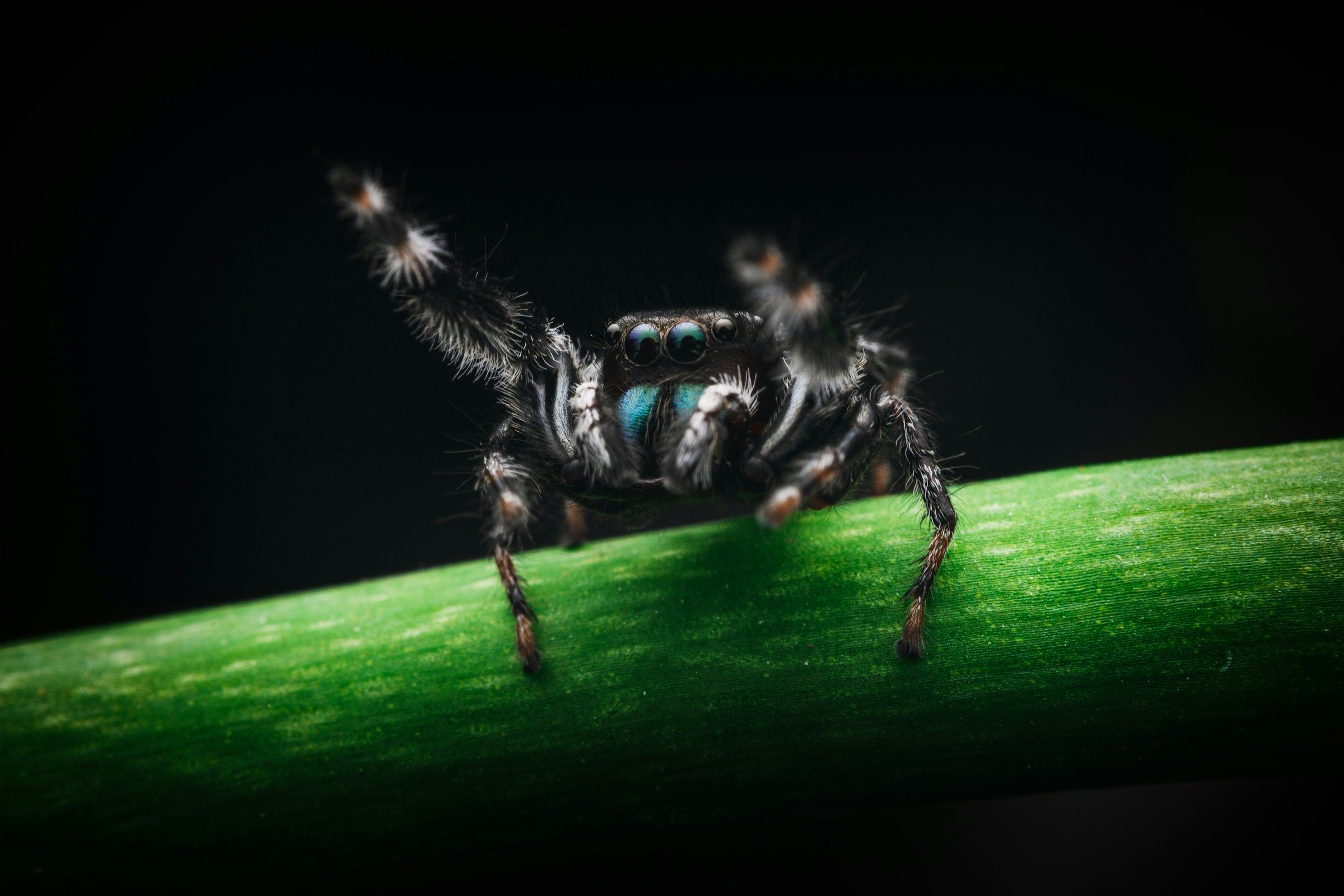
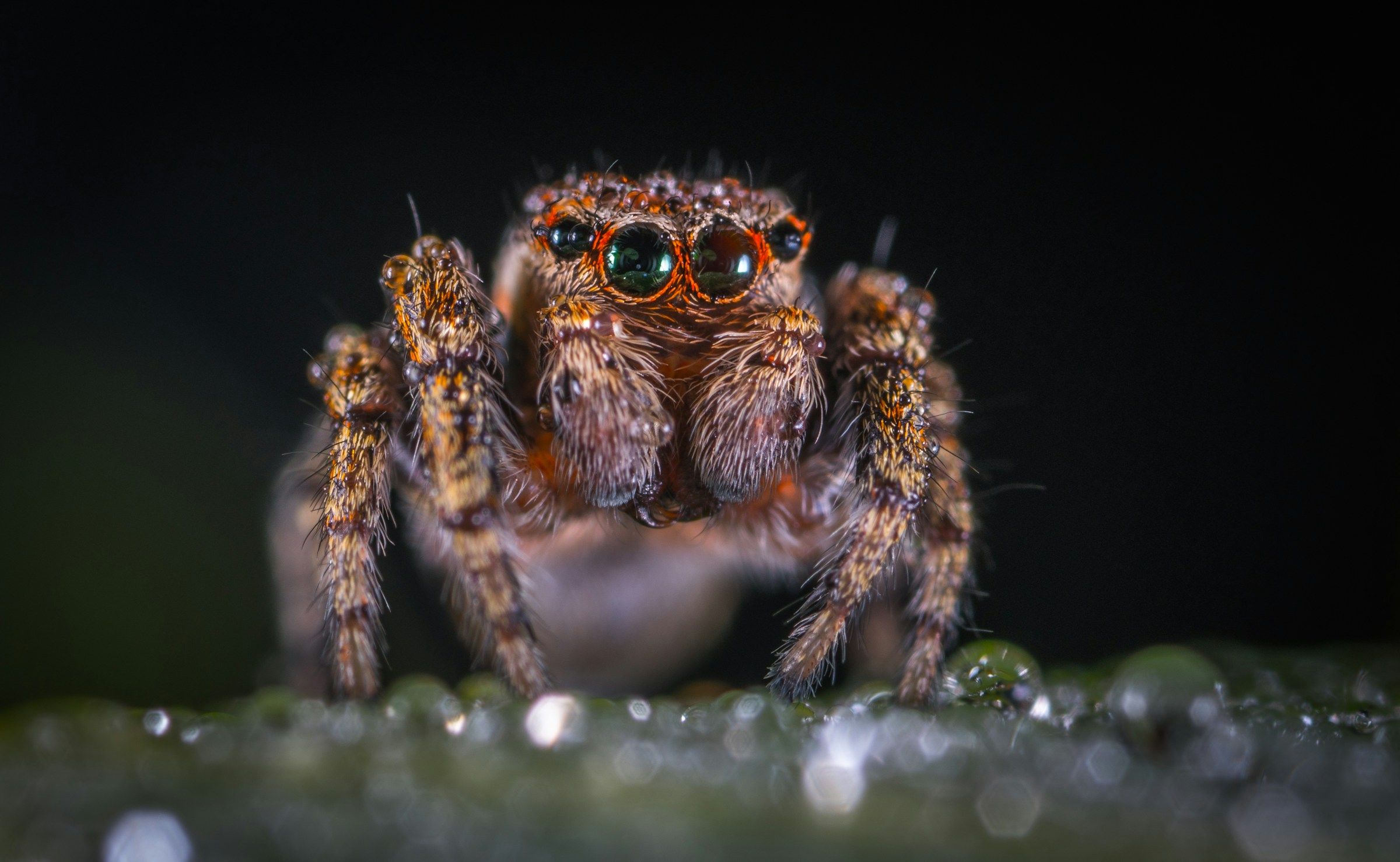
A black and white jumping spider on a green stemSingle frameStacked

Drag to compare. Illustration: the single frame is simulated from the finished image until our own example stacks are added.

Merges detail at every scale, so hairs, bristles and overlapping structures survive.

Best for: Hairy and intricate subjects. The default.

02Alignment

Handheld stacks, properly aligned.

No rail, no tripod, a subject that will not wait. Stacro corrects the shift, rotation, scale and perspective between frames, then refines the alignment locally where the subject has depth.

  • Profiles for handheld, rail and telecentric work
  • Frames blurred by movement are found and left out
  • Shift-only alignment for high magnification, one click away
  • Stacro chooses the alignment model per stack and reports what it did for every frame.
  • You can correct the alignment by hand and re-run without starting again.
  • An option repairs stacks whose frames are out of order.
Align · handheld profile
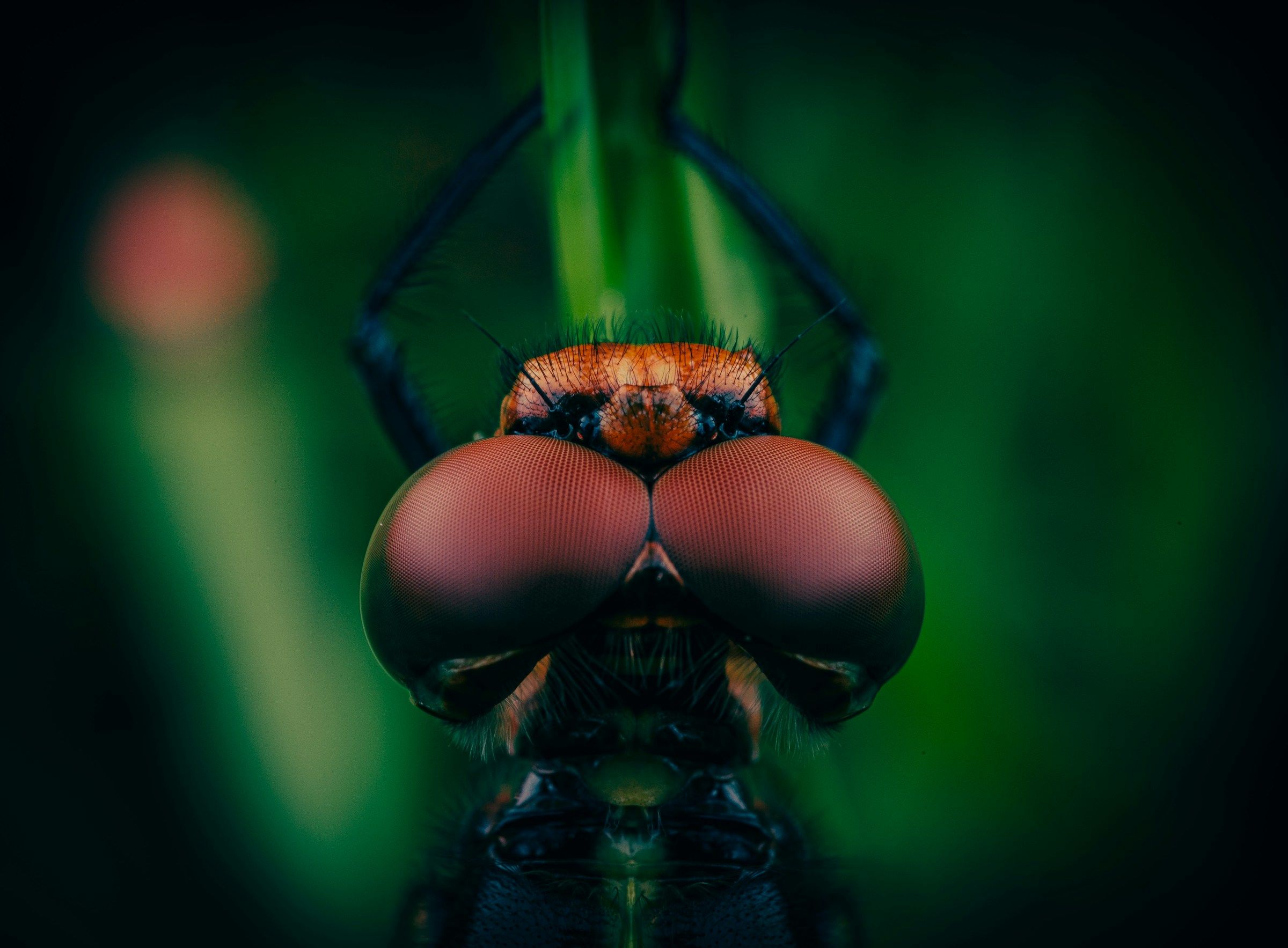
A dragonfly seen head on, its eyes filling the frame

Alignment

Frames aligned21 of 23

Left out, blurred2

ModelPerspective

03Find Stacks

Point it at a folder. It finds the stacks.

A day's shooting is rarely one tidy folder per stack. Find Stacks reads a mixed folder, works out which frames belong together and shows each group as a card to check before anything runs.

  • Accept, merge, split or rename groups, with undo
  • Stack every accepted group in one go
  • Watch a folder and stack new shoots as they arrive
  • Frames that already belong to a project are highlighted, so nothing is stacked twice.
  • Single photos that are not part of any stack are set aside.
  • Each group can have its own preset.

Find Stacks

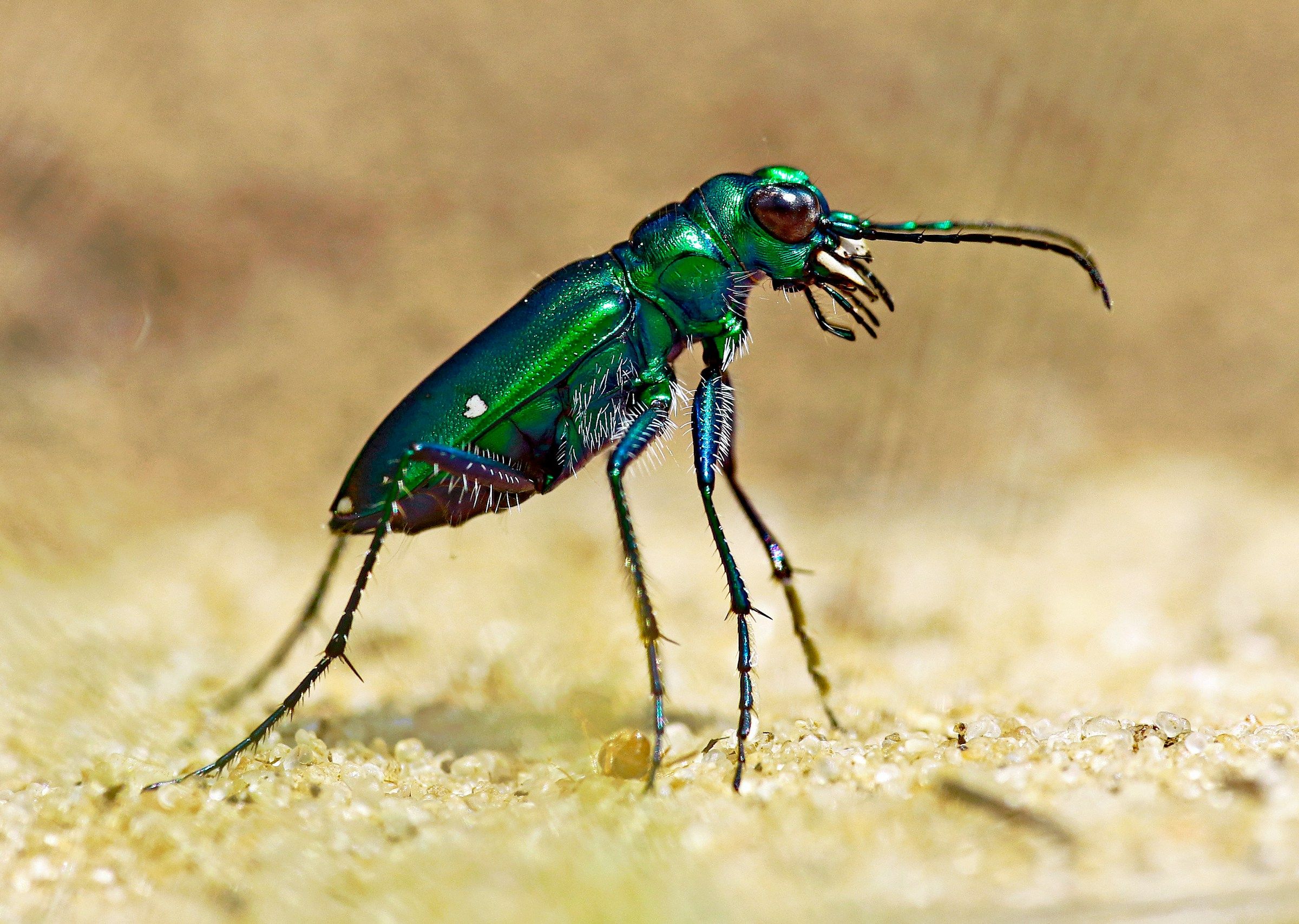
Tiger beetleRail · 4 frames
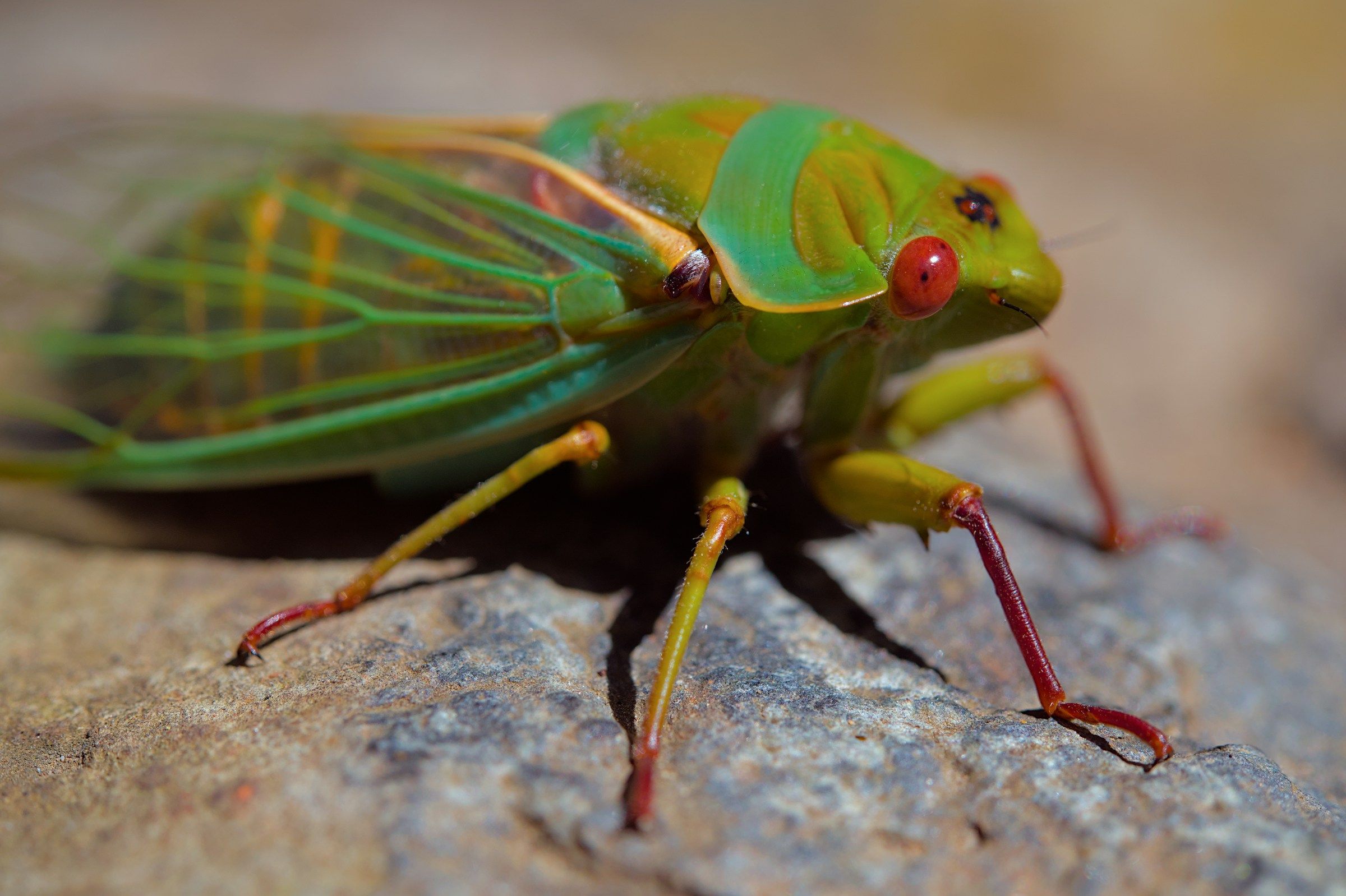
CicadaRail · 4 frames
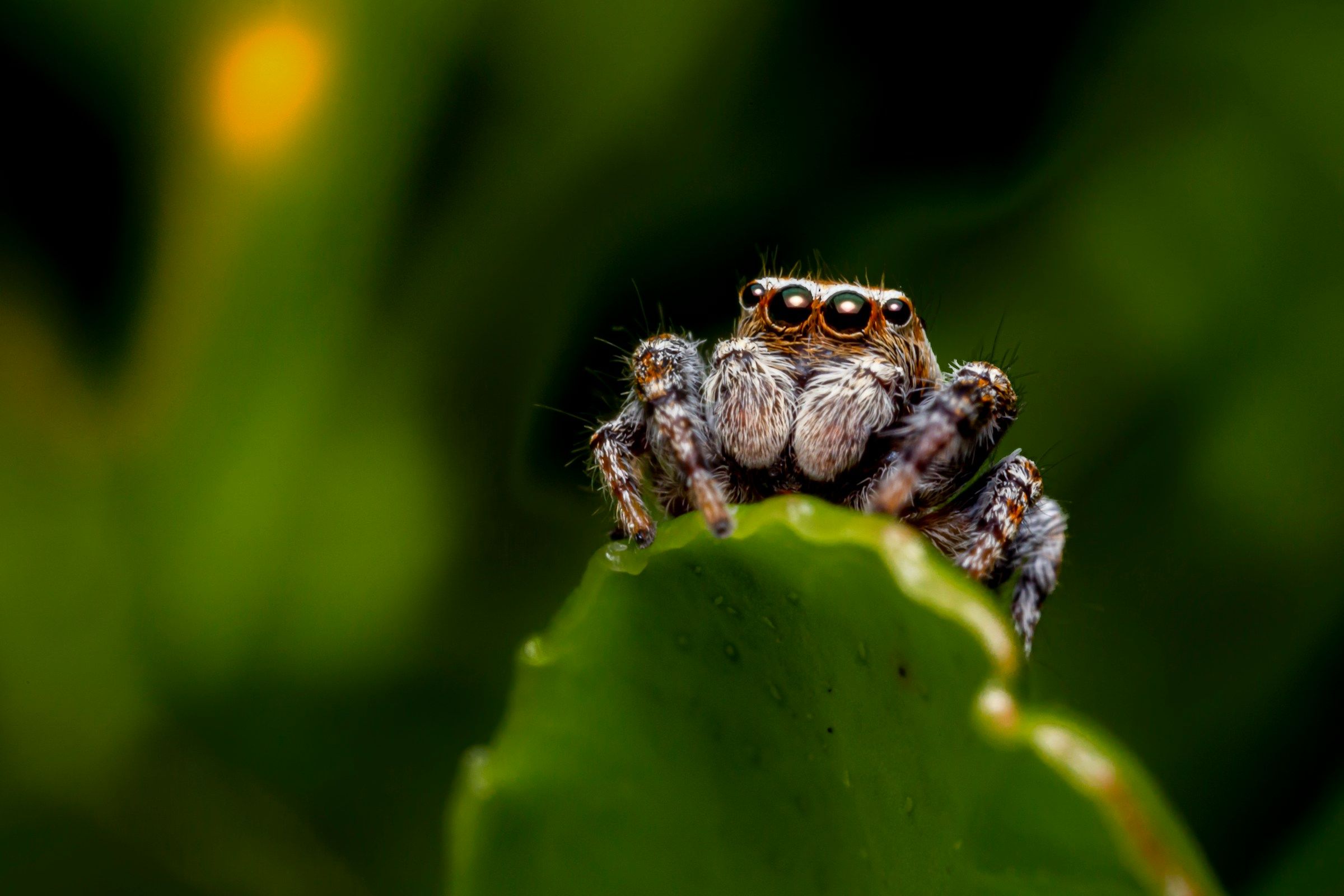
Jumping spiderHandheld · 4 frames

Illustration of the review step, with frame counts shortened.

04Stack quality

Know what went wrong before you zoom in.

Every run checks the stack itself, in a second or two. You see which frames added nothing, where focus doubled back, and where the steps were wide enough to leave soft bands.

  • Warnings for wasted end frames, focus reversals and wide steps
  • Trim the frame range and re-stack from the same panel
  • A depth histogram of where your frames landed
  • Checks run on small previews, so they cost almost no time.
  • The same report is available from the command line.
A brown jumping spider standing on a wet surface

Stack quality

  • Frames 1 to 3 add nothingFocus starts in front of the subject
  • Wide step at frame 14A soft band is likely here
  • No focus reversalsFocus moved one way throughout

05Retouch

Fix the hard parts with pixels you shot.

Crossing hairs, a leg that moved, a halo against the background: every stacker leaves a few. Paint the right detail back in from any source frame or from another version of the stack.

  • Paint from source frames or from another result
  • Re-run just one region with different settings
  • Option-click any pixel to see which frame it came from
  • Brush size and hardness, with full undo and redo.
  • Strokes are kept with the version they were painted on.
  • Nothing is generated. Retouching only moves recorded pixels.
Retouch · painting from frame 12
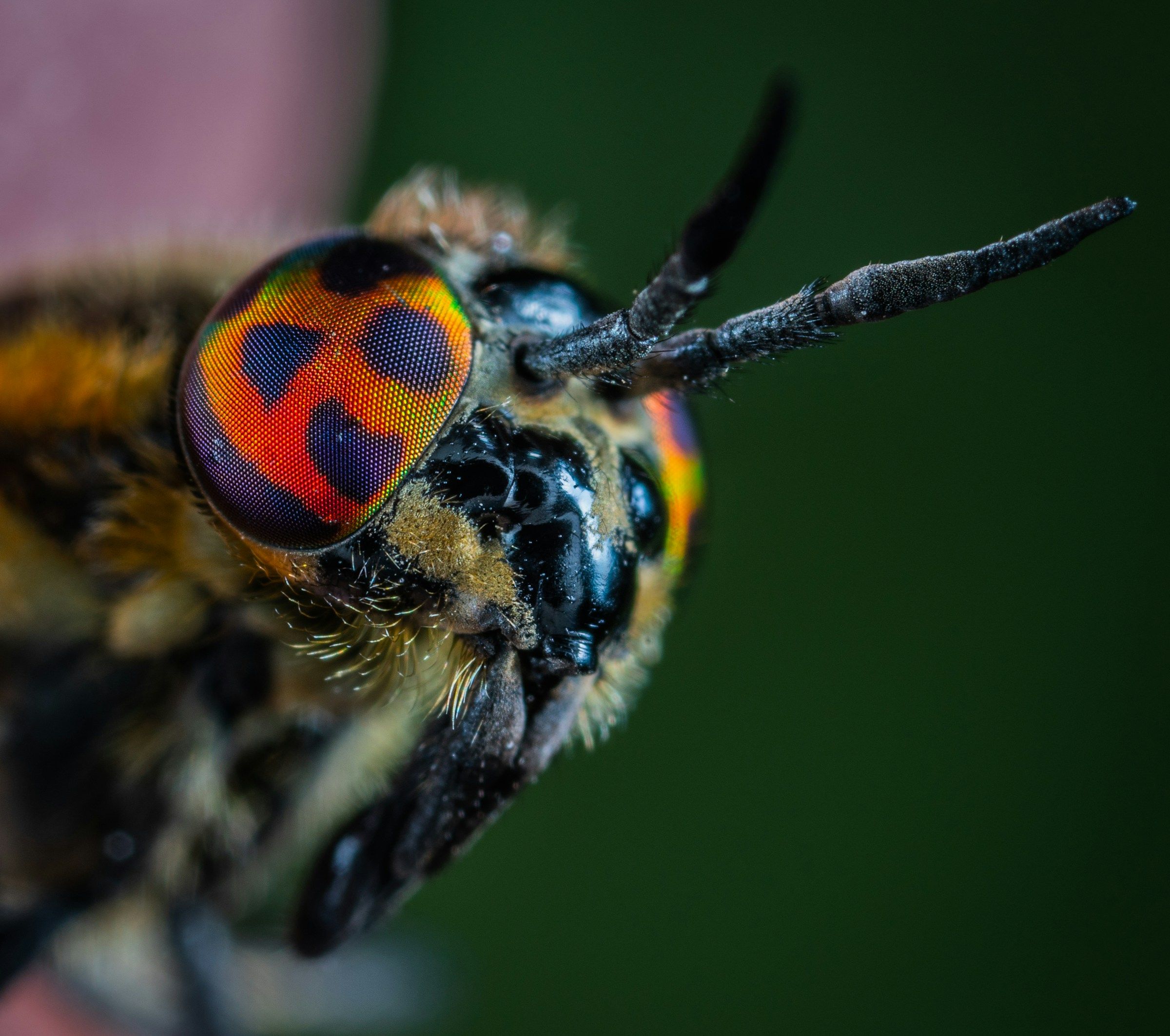
The head of a hoverfly with orange patterned eyes

06Versions

Try another setting. Lose nothing.

Every re-run is a new version beside the old one, never over it. Compare any two side by side, with a slider or as a difference, and keep the one you like.

  • Changing method reuses the alignment, so re-runs are quick
  • Compare: side by side, slider and difference
  • Stack Together merges the best of several versions
  • Each version records the settings that made it.
  • Name, duplicate, branch and delete versions as you work.
  • Decoded frames are cached, so leaving out a frame takes seconds.
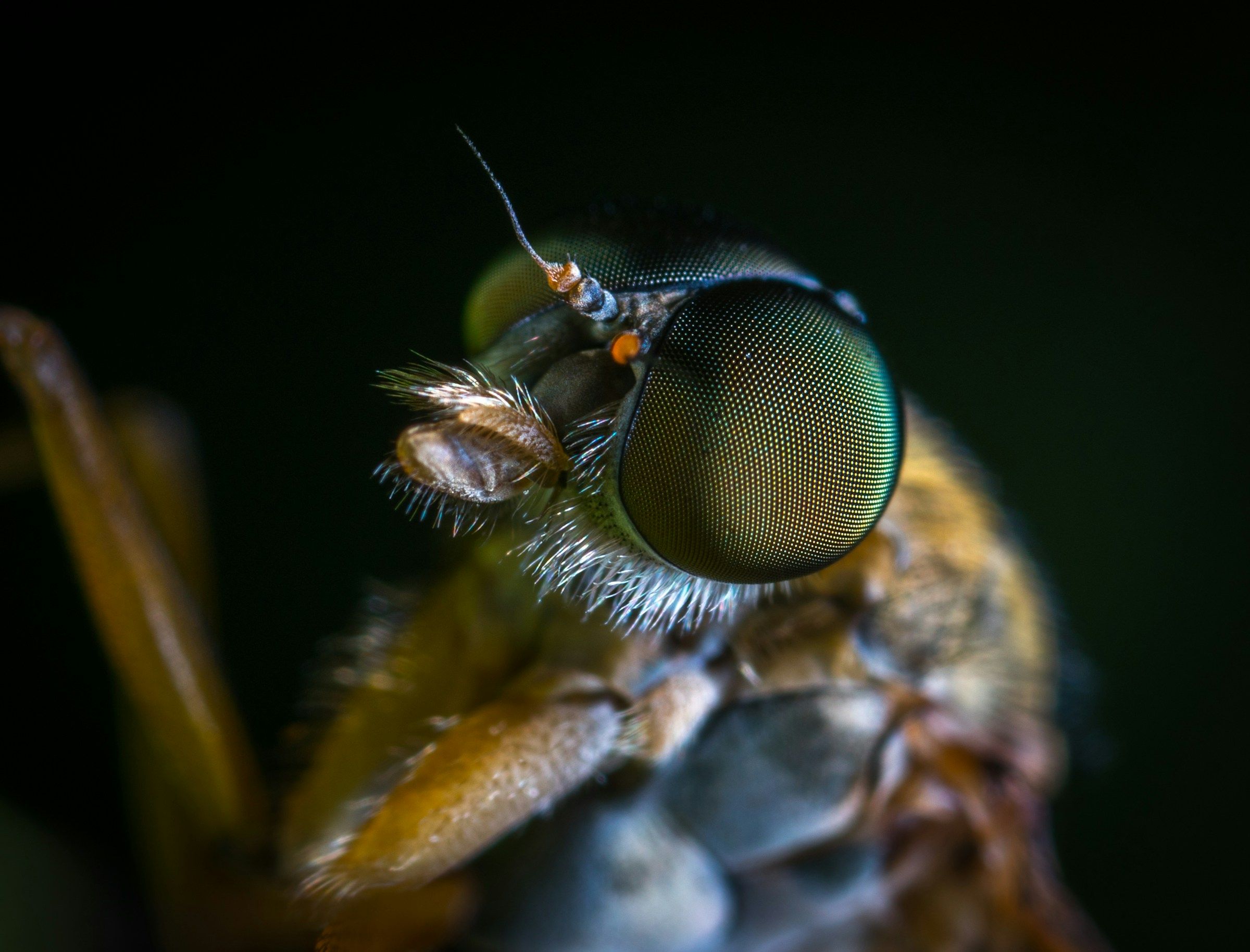
A fly in profile with a large green compound eyev001 · Pyramid
v003 · Hybrid

07Edit image

Finish the picture without leaving.

Edit image gives the stacked result the tone, colour and detail tools you would otherwise open another app for. Edits are non-destructive and the stack underneath is never changed.

  • White balance, exposure, tone curve and eight-band colour
  • Sharpening masked to in-focus detail; noise reduction; defringe
  • Crop and straighten, history, and a before view
  • Sliders update the full image as you drag.
  • Background smoothing calms out-of-focus areas without touching the subject.
  • Edit image is new in the beta and still being refined.
Edit image
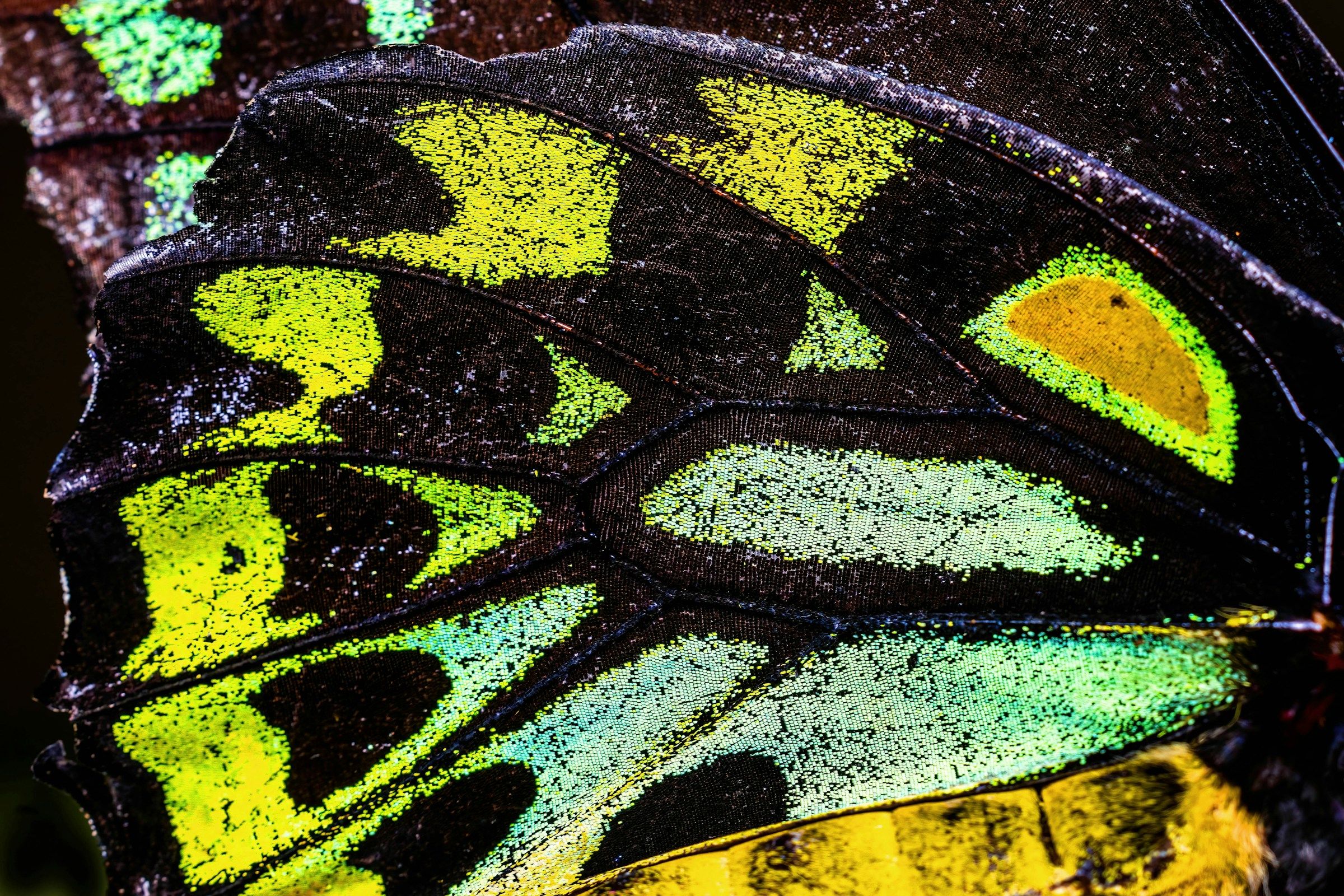
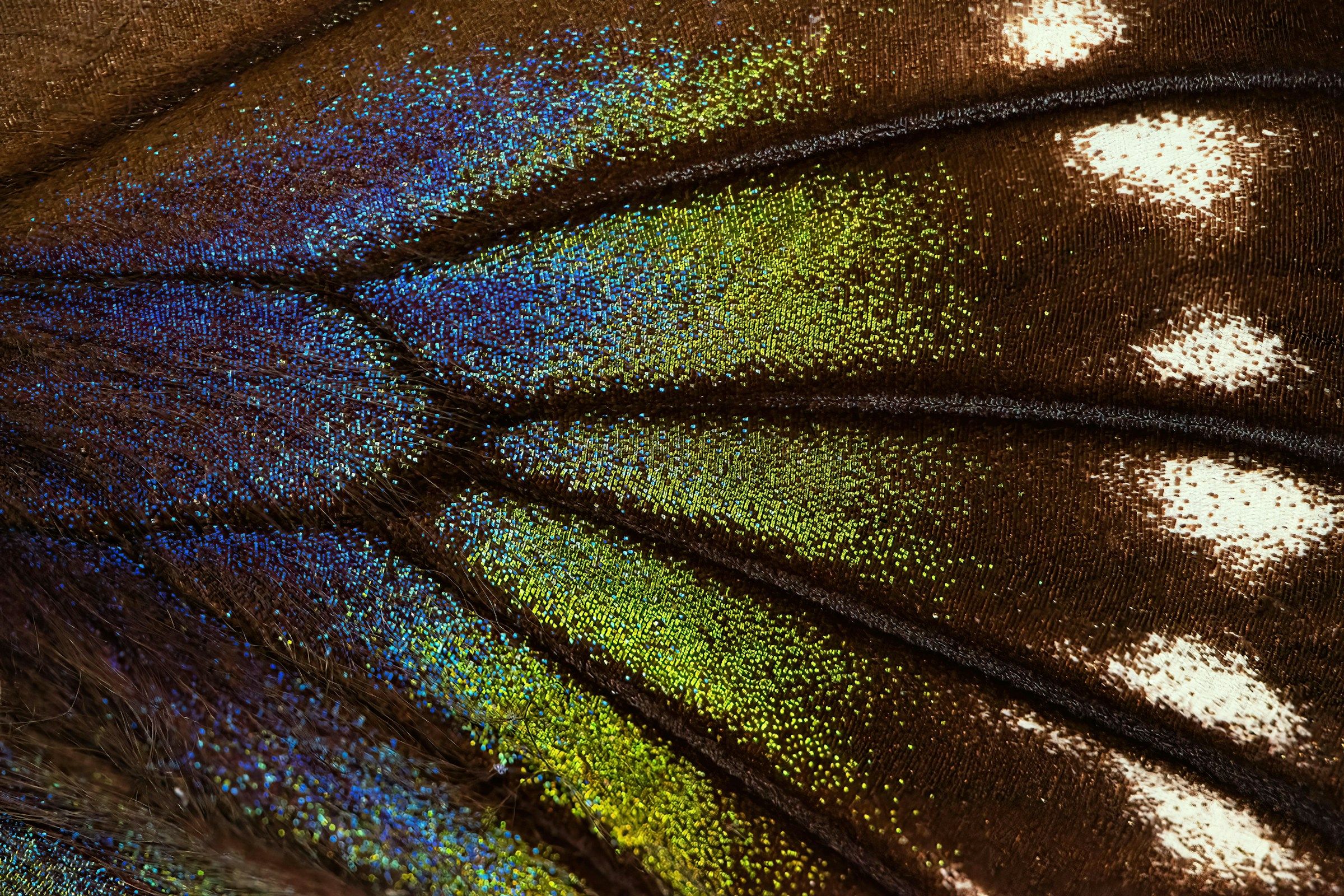
Green, yellow and black scales on the wing of a birdwing butterfly

08RAW in, RAW out

A stacked RAW file your editor understands.

Stacro reads RAW through macOS and can write the result as a linear DNG, so a stack opens in Lightroom, Camera Raw or Capture One like any other RAW file.

  • Linear DNG, 16-bit and 32-bit TIFF, JPEG, PNG and HEIC
  • Export templates for the sizes and formats you use
  • Scale bar from a ruler calibration; depth map export
  • EXIF and colour profile are carried through; GPS can be stripped.
  • A camera-like tone curve by default, or a flat linear rendering.
  • Export crop is stored with the version and applied everywhere.
Iridescent blue and green scales on a dark butterfly wing
DNGTIFF 16TIFF 32JPEGPNGHEIC

And for the way you work.

Command-line tool

Run, batch, watch and export from the terminal with the same engine as the app.

Claude integration

Ask Claude to find, stack, inspect and export. It works through the same projects you see in the app.

Presets

Save the settings that suit a lens, a rig or a subject and reuse them anywhere.

Project library

Search, archive and tidy projects, with a storage limit you set.

Frame cache

Decoded frames are kept for a while, so trying another setting does not start from the RAW files.

Dust map

Build a dust map from a reference frame, and sensor dust stops competing as detail.

Not in the beta yet: shooting tethered from the app, lens corrections, and plug-ins for other editors. We would rather tell you now than have you look for them.

Bring your sharpest work into focus.

Join the beta list. We invite photographers in small groups, and it is free while we test.